 Framing cleaned by certified technicians
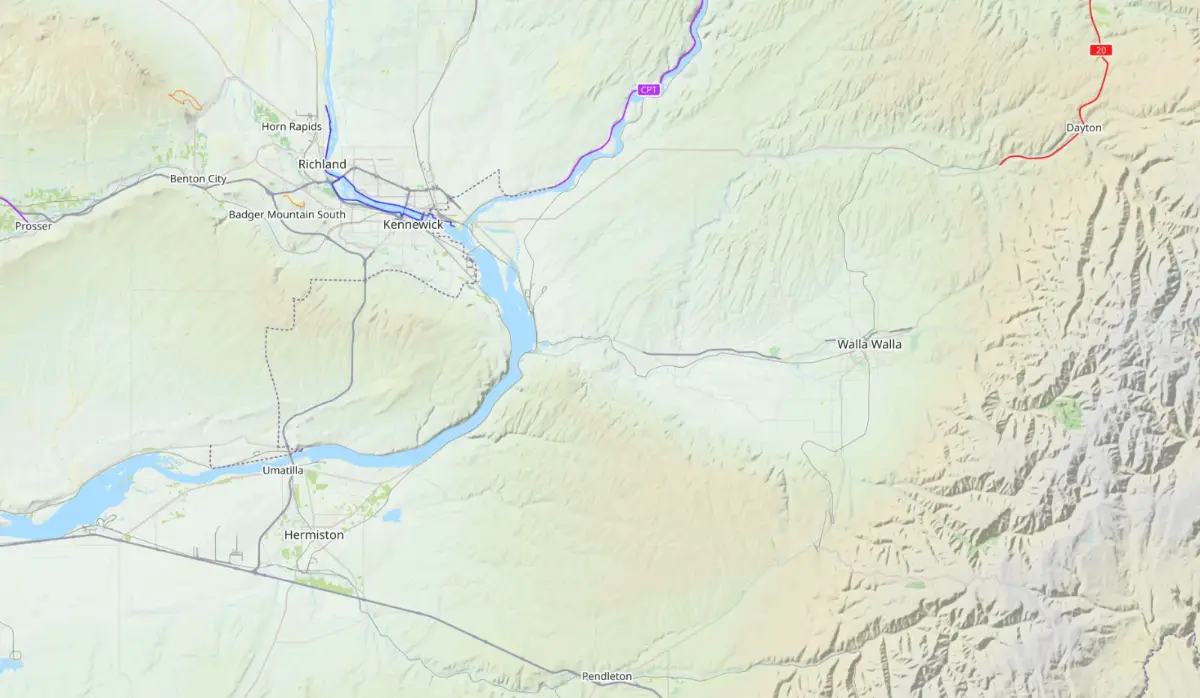
Headquarters · Arrival within about 1 hour
Walla Walla, WA
- Walla Walla
- College Place
- Dayton
- Waitsburg
- Pendleton, OR
- Milton-Freewater, OR
- Touchet
- Weston, OR
Walla Walla & Tri-Cities restoration
On call 24/7 · since 2012

★ 4.8 Google rating
A+ BBB rated

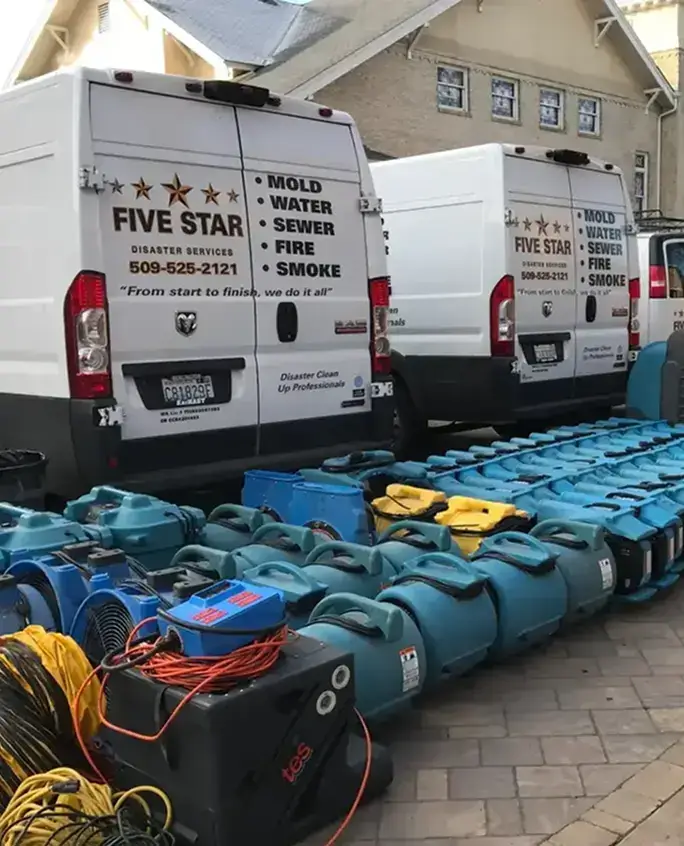
Our restoration crews at Five Star Disaster Services use dry ice blasting to strip soot and mold from the structure of homes and businesses in Walla Walla, the Tri-Cities, and Northeast Oregon. After blasting, the wood framing, concrete, and metal underneath are cleaned down to the bare surface.
Free inspection · We work directly with your insurance


The crews blasting your framing also handle our fire and mold restoration, so they know what that damage does to a structure. Our team has more than 55 years of combined restoration experience, including large losses at retail stores, offices, churches, multifamily buildings, and industrial sites. Behind them is a licensed, insured, family-owned company you can check out before you call.
Five Star is an IICRC-certified company, and the technicians we send to blasting jobs have completed IICRC training and passed its certification exams. We’re also an EPA Lead-Safe Certified Firm, which matters before blasting starts: in a home built before 1978, the burned or moldy drywall we remove from the framing may contain lead paint.
You can look up our licenses on the Washington and Oregon state websites: WA #FIVESSD870BS and CCB #201493. If our work damages your property, our insurance and bond cover it, and when a claim is involved, we work with your insurer directly until it’s 100% settled.
The local family that owns Five Star also runs it, so the owners answer for every blasting job we do. Customers have given us 4.8 stars across more than 150 Google reviews, and we’re BBB accredited with an A+ rating.
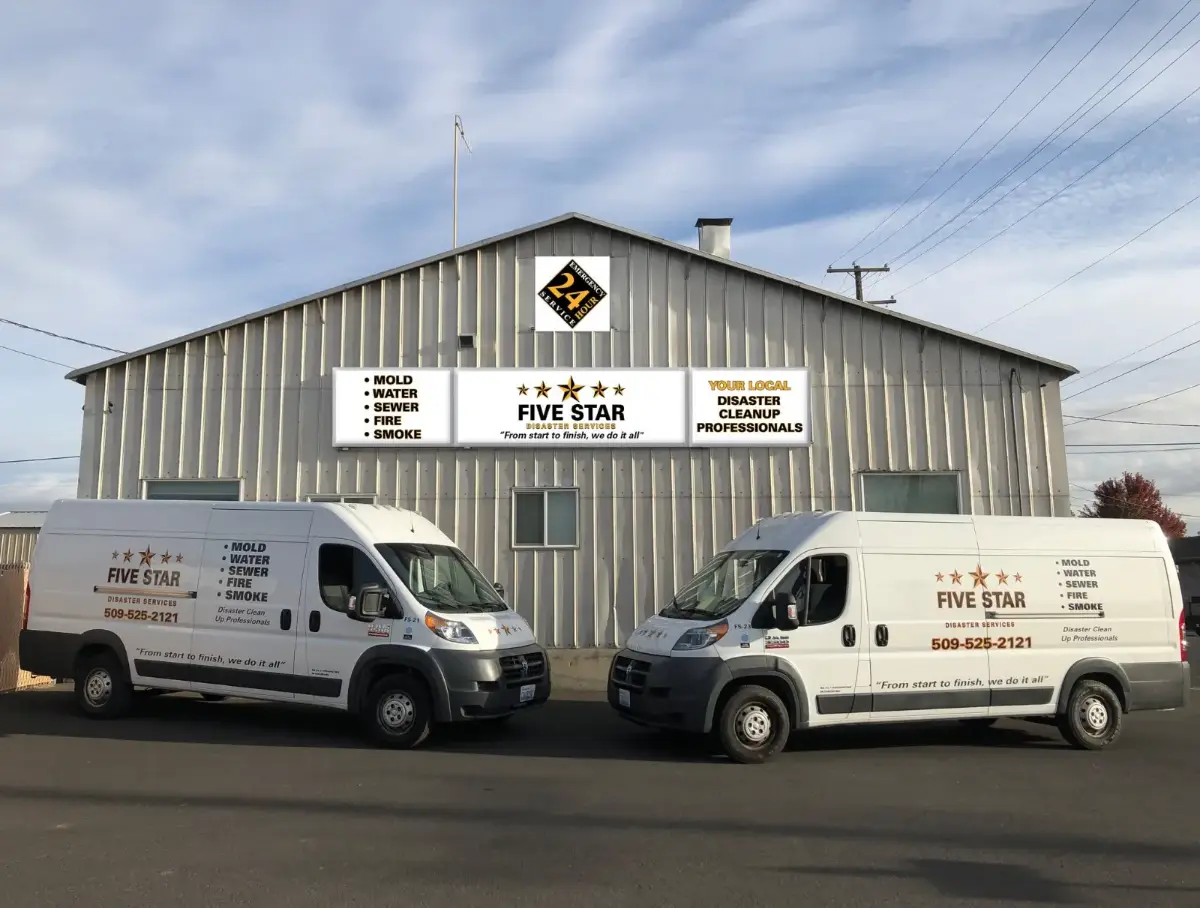
Every dry ice blasting job follows the same six steps, so you know what’s happening to your framing at each stage.
We start with a free visit to your property, tracing the soot or mold across the framing, sheathing, and other surfaces to see where dry ice will work and what has to be removed first. Before any work begins, you get a free estimate for the full job.
Before anything is removed, we seal off the work area and set up HEPA air filtration. Tearing out damaged materials and blasting both knock soot and mold spores into the air, and containment keeps them from spreading into rooms the fire or mold never reached.
We cut out the burned or moldy drywall and pull the insulation behind it, removing anything too damaged to clean. In older homes, we do that removal with lead-safe work practices that keep paint dust contained. With those materials gone, the framing and sheathing are exposed and ready for blasting.
We blast the exposed surfaces with pellets made from recycled CO2. The impact and the cold break the bond between the residue and the surface, so soot and mold come off without chemicals.
We collect the loosened debris and clean the work area. On mold jobs, we HEPA-vacuum the cleaned surfaces to pick up any remaining spores. On fire jobs, we follow with ozone or hydroxyl treatment for any smoke odor that remains.
We inspect every cleaned surface, then apply a sealing encapsulant to bare wood where it’s needed. Porous framing can hold onto smoke odor even after blasting, and the encapsulant locks it in so it doesn’t come back after the rebuild. Your framing is left clean, sealed, and ready for repairs.
Dry ice blasting is part of a larger restoration process. Our fire and smoke, mold, and water damage restoration crews handle the cleanup, and our construction team rebuilds once remediation is complete, so your whole project stays with Five Star.
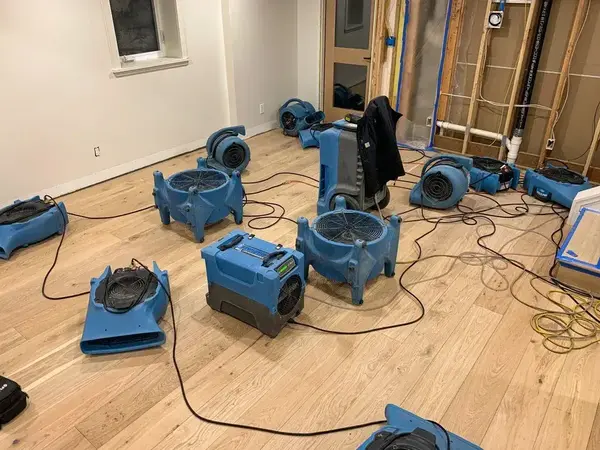
Framing that’s dried as well as cleaned won’t provide the conditions for mold to grow. Our water restoration service handles that drying when a leak, flood, or firefighting has soaked your property.
Get water damage help →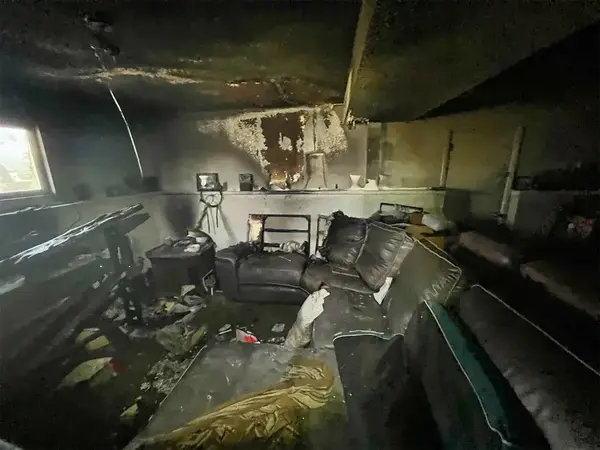
Before blasting starts, our fire and smoke crews board up the property and move your belongings out for cleaning. Painted walls and ceilings get cleaned with other methods, since dry ice can strip paint, and lingering smoke odor is treated once the blasting is done.
Get fire damage help →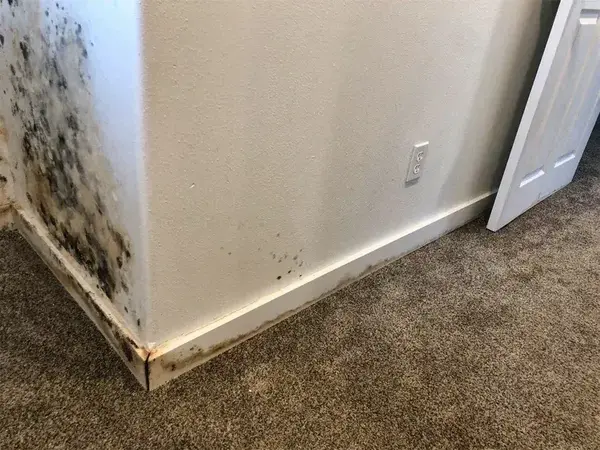
Dry ice cleans mold off the framing, and our mold removal crew finds the moisture source feeding the mold and removes the moldy drywall, insulation, and other contaminated materials. Then they run air movers and dehumidifiers afterward until moisture readings confirm the area is dry.
Get mold removal help →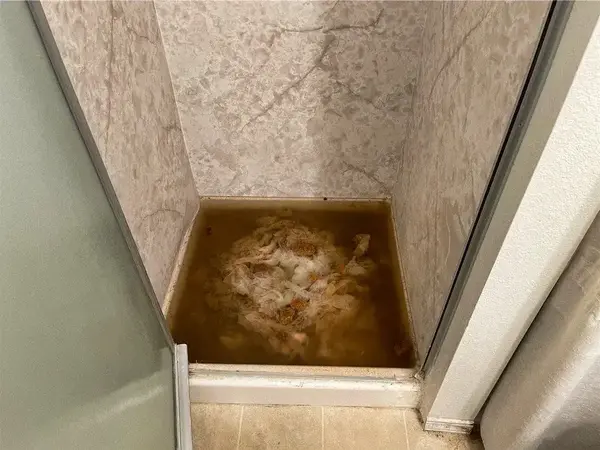
Sewer backups, toilet overflows, and failed septic systems carry bacteria and viruses, so our sewage crews start cleanup as soon as possible. They remove the contaminated materials, disinfect what stays, and dry the structure before rebuilding.
Get sewage cleanup help →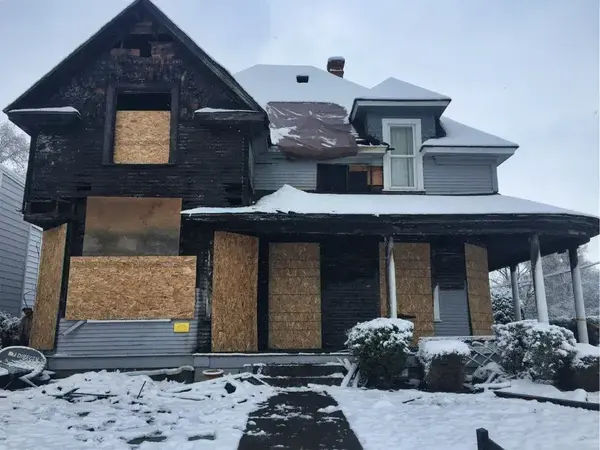
Dry ice leaves your framing clean and sealed, and our construction crew turns it back into finished rooms. They replace any studs or joists too damaged to save, then install new insulation and drywall and finish the walls.
Start your rebuild →Ask us by phone whether dry ice blasting will work on your surfaces.
4.8 out of 5 stars
★★★★★
From 150+ Google reviews BBB A+ Accredited
Our Walla Walla and Kennewick offices both send dry ice blasting crews, so the one closest to you can get your job on the schedule. Together, they cover Southeast Washington and Northeast Oregon, from Waitsburg and Burbank to Pendleton.
Outside these towns? Call and ask. We also take jobs in Prescott, Lowden, Dixie, Irrigon, and Echo.

Dry ice reaches the tight spots that a sander or scrub brush misses. Soot and mold work into the surface of the wood and collect in the gaps between rafters, the joints of cross-bracing, and around the nail tips poking through roof sheathing. Anything left in those spots ends up hidden behind new drywall.
Not when the pressure is set correctly. On sound framing, it removes soot and mold while leaving the grain of the wood intact. Too much pressure or too many passes can still roughen softer wood, which is why restorers usually blast a small test section first.
The biggest difference is the cleanup afterward. Sand and baking soda stay behind as grit and dust that settle into every gap, while dry ice changes straight into carbon dioxide gas on impact, leaving only the soot or mold it knocked loose.
Yes, with the power off. Dry ice doesn’t conduct electricity and leaves no water behind, so it can clean soot and grime off motors, control panels, and other equipment. Chilled parts can pick up condensation in humid air, so they should be dry before the equipment is turned back on.
It depends on how deep the fire burned. Dry ice blasting removes soot and loose surface char from framing that is still sound, but it can’t restore wood the fire weakened. Joists or studs with deep charring or heat damage may need to be reinforced or replaced, and a structural engineer can tell you which ones can still carry their load.
No. It breaks mold off the surface rather than killing it, and getting the mold off is the goal of any mold cleanup. Blasting also knocks spores loose that can settle back onto cleaned surfaces, so the job finishes with a HEPA vacuum cleanup of the area.
A project coordinator will follow up to schedule a visit. Damage happening right now? Skip the form and call.
Kennewick and Tri-Cities: (509) 404-0613 · Open 24/7
Tell us about your circumstances.
We will call you back the same day during business hours.