 A cleanup you don’t have to second-guess
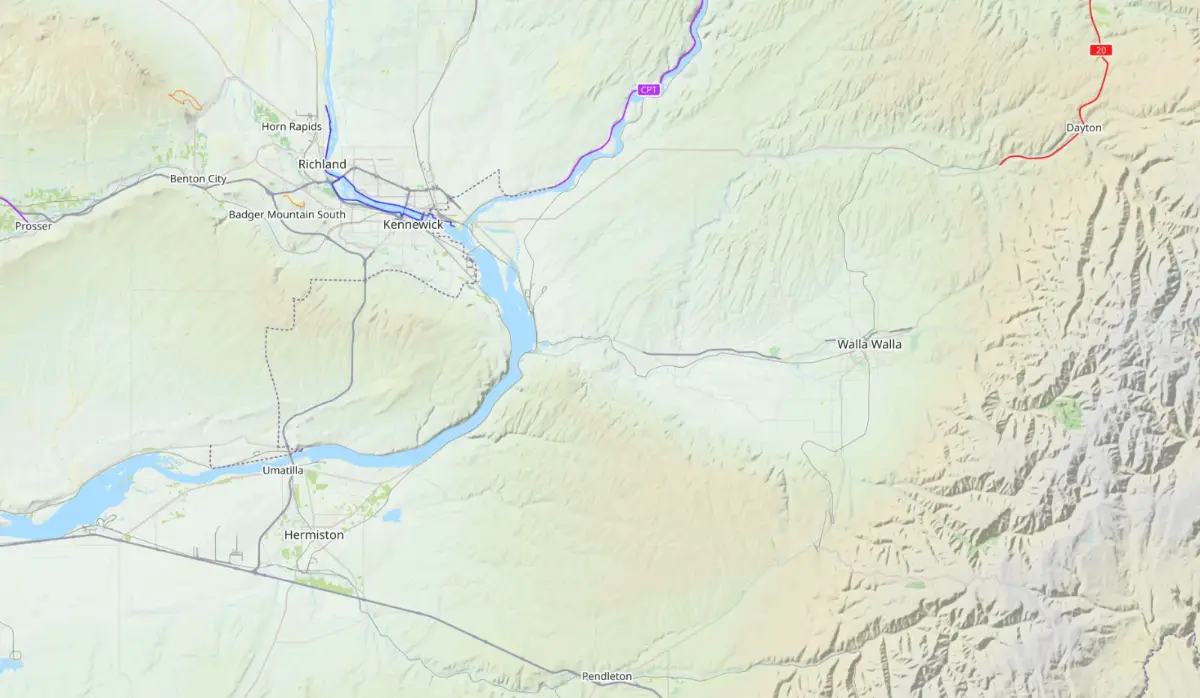
Headquarters · Arrival within about 1 hour
Walla Walla, WA
- Walla Walla
- College Place
- Dayton
- Waitsburg
- Pendleton, OR
- Milton-Freewater, OR
- Touchet
- Weston, OR
Walla Walla & Tri-Cities restoration
On call 24/7 · since 2012
★ 4.8 Google rating
A+ BBB rated
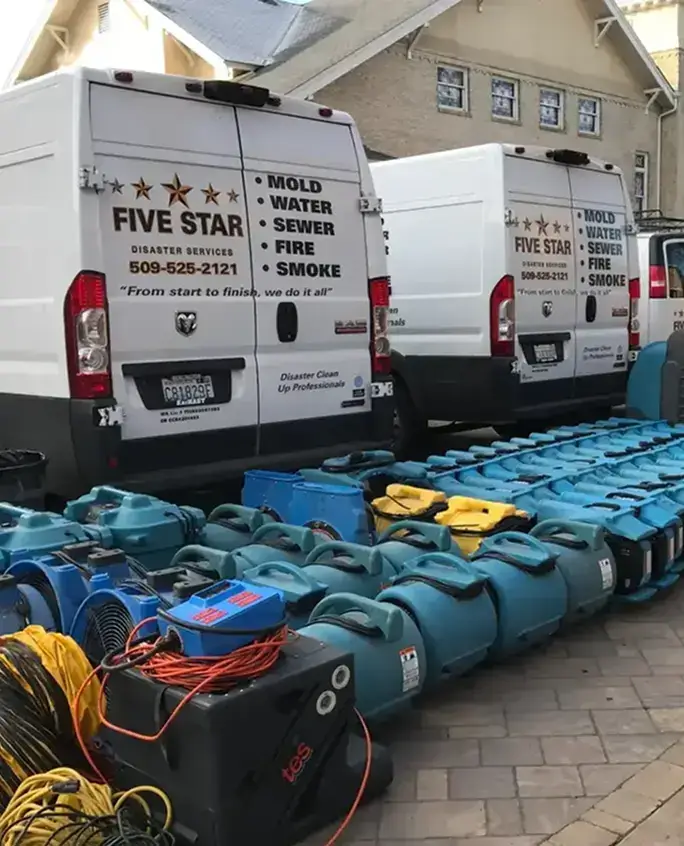
At Five Star Disaster Services, we answer your call after sewer lines, toilets, and septic systems back up in Walla Walla, the Tri-Cities, and Northeast Oregon. Raw sewage soaks into flooring, drywall, and furniture and can leave harmful bacteria on every surface it touches. Our crews remove the contamination and rebuild the damaged rooms so you can return to comfort as quickly as possible.
Free inspection · We work directly with your insurance


A sewage backup can put a bathroom, basement, or an entire floor out of commission, and cleaning it up yourself means direct contact with raw waste. We take on residential, commercial, and industrial sewage jobs, so no one in your household or on your staff has to do that work.
The Institute of Inspection, Cleaning and Restoration Certification has certified both our company and our technicians, so the crew on your property practices the leading methods for cleaning up sewage. Our EPA Lead-Safe Certified Firm status covers removing sewage-soaked drywall from homes built before 1978, where the paint may contain lead, keeping it from becoming a secondary hazard on top of the sewage.
We are licensed in Washington under WA #FIVESSD870BS and in Oregon under CCB #201493. We invite you to verify each license before any work begins so you’re comfortable and at ease with the team working on your property. Every sewage job is also covered by our bond and insurance, so you have recourse if a problem comes up during the cleanup.
Five Star is family-owned and based in Walla Walla, with a second office in Kennewick. If a question comes up months after your cleanup, you can reach the same local company that did the work, and we’ll be right back to get things sorted out.
Each stage of a sewage cleanup depends on the one before it, so our crew works through them in a fixed order. That keeps the drying and rebuilding from starting while anything contaminated is still in the building.
Sewage cleanup can’t wait, so we’re available 24/7 and typically on site within one to two hours. We trace how far the sewage spread and map out everything that has to be torn out so you’ll know the full scope of demolition and rebuilding before work starts.
Belongings the sewage didn’t reach go to a clean area first, so they stay uncontaminated. Then extraction equipment removes the standing sewage and wastewater from the building. Getting it out quickly keeps it from soaking further into the subfloor and walls.
Our technicians pull up the carpet and pad, take off the baseboards, and cut the drywall away just above where the sewage wicked up, then remove the wet insulation behind it. If the sewage reached cabinets or subfloor, those come out too.
With the contaminated materials gone, we scrape away any remaining residue, HEPA-vacuum the exposed studs, subfloor or slab, and fixtures, then scrub them with a cleaning solution. Once surfaces are clean, we apply a disinfectant and give it time to work.
We use air movers and dehumidifiers to dry the subfloor, wall cavities, and anything else the backup or the cleaning left wet. Rebuilding doesn’t start until moisture meter readings confirm those materials are dry, because closing walls over damp framing can lead to mold later.
Our own reconstruction crew puts back everything we removed, from insulation and drywall to baseboards, flooring, trim, and paint. Your adjuster gets our photos and a written estimate along the way. When we’re done, the rooms are ready for your family or business to use again.
The moisture a sewage backup leaves behind can lead to mold, and the rooms we clean out often need rebuilding. Our crews take on all of it.
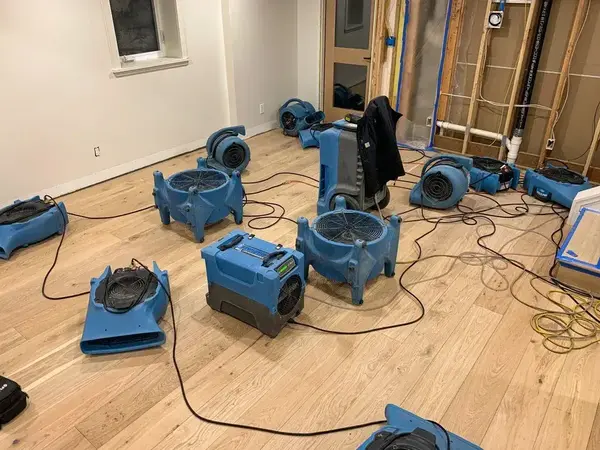
When a leak is clean water, we can usually dry and keep more of your flooring and drywall than a sewage backup allows. That includes damage from frozen pipes, dishwasher overflows, and broken ice maker lines.
Get water damage help →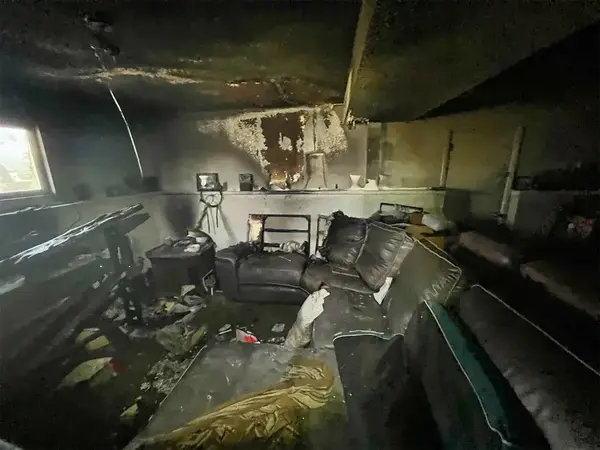
Much of what smoke stains, from walls to furniture, can be restored rather than replaced. We filter airborne soot with HEPA equipment, use encapsulants to seal in odor on the surfaces we keep, and move damaged contents out of harm’s way while we clean.
Get fire damage help →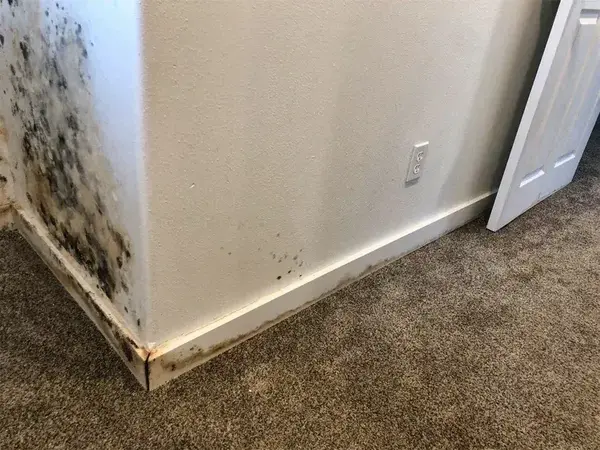
Sewage that sits unnoticed in a crawl space or basement leaves behind the moisture mold needs to grow. After the cleanup, we check those spaces, and if we find growth, we seal off the area, remove the moldy materials, clean the framing, and confirm everything is dry before we close it back up.
Get mold removal help →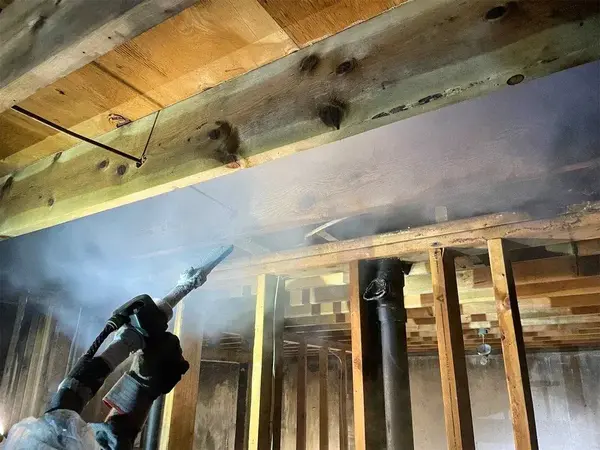
Dry ice blasting strips soot and mold off framing, brick, and other surfaces without water or chemicals. The dry ice turns to gas on contact, so there’s no residue to clean up, and nothing gets wet, which makes it a good fit for attics, crawl spaces, and areas that have just finished drying.
Request dry ice blasting →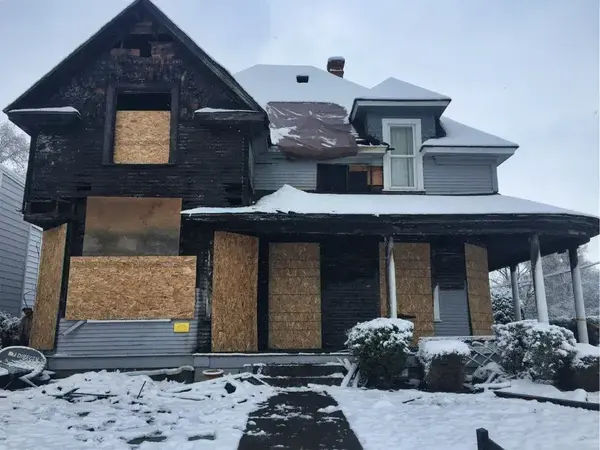
After the cleanup, our construction team puts your home or business back together, from new insulation and drywall to flooring, cabinets, trim, and paint. You don’t have to hire a second contractor to finish the job. We also handle kitchen and bath remodels and commercial tenant improvements.
Start your rebuild →Knowing where the backup started helps us plan the cleanup, so mention it when you call.
4.8 out of 5 stars
★★★★★
From 150+ Google reviews BBB A+ Accredited
For a backup in College Place, Dayton, or Waitsburg, call our Walla Walla office. In Pasco, Richland, or West Richland, call our Kennewick office. Both offices also cover Oregon towns, from Hermiston to Weston.
Outside these towns? Call and ask. We also take jobs in Prescott, Lowden, Dixie, Irrigon, and Echo.

Yes. Sewage is hard to judge by eye, and under the industry’s water damage standard, water that backs up from beyond a toilet or drain trap is classed as heavily contaminated even when it looks clear. Water from a toilet bowl that overflows with some urine but no feces is classed one level lower.
Drywall acts like a sponge, so it pulls sewage-tainted moisture higher than the visible waterline. Water can wick a couple of feet up the wall, and contaminants can get behind the drywall and dry there. The wood studs and sills behind it can usually stay if they’re thoroughly cleaned, disinfected, and dried.
They can be saved if the sewage stayed on the surface, but not once it gets underneath. Glazed and porcelain tile absorb almost no water, and hard floor surfaces can be scrubbed and disinfected. Sewage can still seep down through grout lines, cracks, and gaps along the walls, and IICRC guidance calls for removing flooring with contaminated water under it and checking the subfloor. Regrouting alone isn’t enough in that case, because contamination can stay trapped beneath the tile.
Not all of them. Items made of metal, glass, ceramic, or hard plastic can usually be cleaned, disinfected, and kept. Soft or porous items that sewage soaked into, such as mattresses, pillows, upholstered and pressboard furniture, stuffed toys, books, and papers, should be thrown out, because they can’t be fully disinfected.
Yes, once its source is gone. The smell comes from waste and the bacteria feeding on it, so removing what the sewage soaked and killing those bacteria stops the odor where it starts. Odor left in the air can be cleared with equipment such as hydroxyl generators or activated carbon filters, while scented sprays only cover it up. Sealing surfaces is a last step if some smell remains.
Drying alone often takes the better part of a week, and some jobs take weeks, before repairs begin. The time depends on how much of the building the sewage reached, how long materials stayed wet, and what they’re made of. Framing, subfloors, concrete, and hardwood release moisture slowly, so they usually take the longest.
A project coordinator will follow up to schedule a visit. Damage happening right now? Skip the form and call.
Kennewick and Tri-Cities: (509) 404-0613 · Open 24/7
Tell us about your circumstances.
We will call you back the same day during business hours.